
Smart Tips to Save Money at the Grocery Store
With food prices continuing to rise, every trip to the grocery store can feel like a hit to your wallet. The good news? A few small changes in the way you shop can add up to big savings over time. Whether you’re feeding a family or just trying to stretch your budget further, these strategies will help you keep more money in your pocket without sacrificing quality or flavor.
1. Make (and stick to) a shopping list

Would you like to save this?
Heading to the store without a list almost guarantees you’ll spend more than you planned. Before shopping, map out meals for the week and write down exactly what you need. This helps prevent impulse buys—like extra snacks, duplicate pantry items, or that new product calling your name from the endcap. The discipline of sticking to your list can shave 10–15% off your bill.
2. Shop store brands
Generic or private-label brands have come a long way in both quality and variety. In many cases, the products are made by the same manufacturers as name brands but sold at a lower price. Switching to store-brand milk, cheese, pasta, canned goods, or paper products can cut your grocery bill by 20–30% without sacrificing taste.
3. Use digital coupons and apps
Gone are the days of clipping paper coupons from the Sunday paper. Most grocery chains now offer digital coupons in their apps, making it easy to save with just a few clicks. You can also stack savings with rebate apps like Ibotta, Rakuten, or Fetch Rewards to earn cash back on everyday items. A few minutes of prep before shopping can mean several dollars saved at checkout.
4. Don’t shop hungry
It’s a simple tip, but it works: shopping on an empty stomach leads to impulse buys—usually on higher-priced snacks and prepared foods. Eating a light meal or snack before you go keeps cravings in check and makes it easier to stick to your list.

5. Buy in bulk (strategically)
Bulk shopping is smart for non-perishable staples like rice, beans, flour, and canned goods—or household items such as paper towels and cleaning supplies. Just make sure you’ll actually use what you buy before it goes bad. Oversized containers of produce or dairy may end up wasted if you can’t eat them in time, turning savings into losses.
6. Check unit prices
The shelf price doesn’t always tell the full story. A “family size” package might seem like a better deal, but not always. Check the unit price (usually listed in small print on the shelf tag) to compare cost per ounce or pound. This quick step helps you spot when smaller packages are actually cheaper.
7. Shop seasonal produce
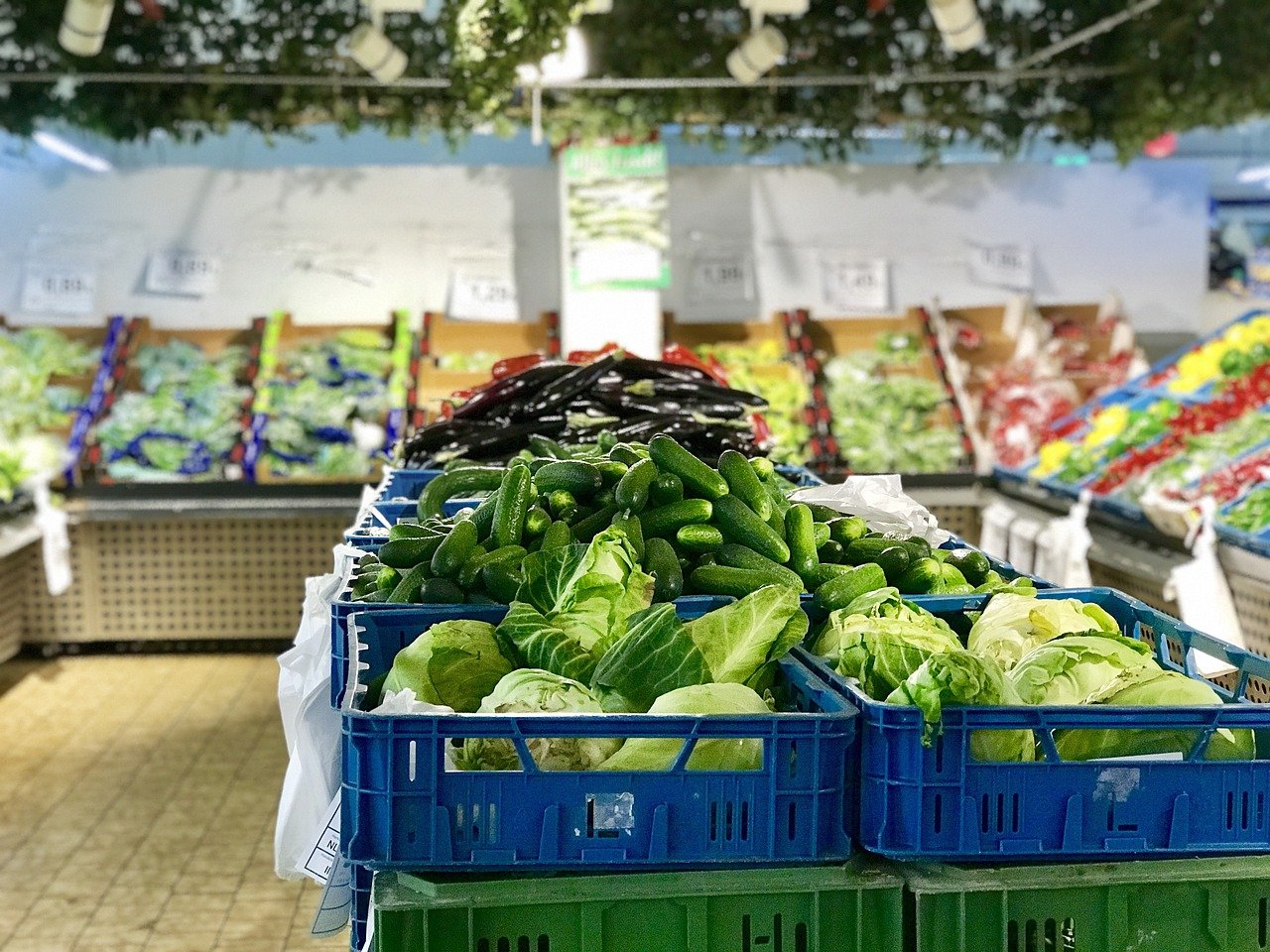
Buying strawberries in January or asparagus in the fall means paying a premium. Instead, shop for what’s in season—like apples in autumn or berries in summer—for fresher flavor at lower prices. Not sure what’s in season? Most stores display seasonal produce in prominent displays, and your local farmer’s market is another great guide.
8. Embrace frozen and canned foods
Frozen fruits and vegetables are often picked at peak ripeness and flash-frozen to preserve nutrients. They’re less expensive than fresh produce out of season and last much longer. Canned staples like beans, tomatoes, and tuna are also budget-friendly and versatile for quick meals. Don’t underestimate how much frozen and canned options can help you cook at home affordably.
9. Pay attention to sales cycles

Grocery stores often rotate sales on popular items every 6–8 weeks. Stock up on pantry basics, cleaning products, and household favorites when they’re discounted. If you know your family eats pasta weekly, for example, buy several boxes during a sale instead of paying full price each time.
10. Limit prepared and convenience foods
Pre-cut vegetables, shredded cheese, and heat-and-eat meals save time but usually cost significantly more per ounce. Buying whole produce and prepping it yourself not only saves money but also gives you fresher results. With just a few extra minutes in the kitchen, you can slash costs while avoiding hidden additives.
The Bottom Line
Saving money at the grocery store doesn’t require extreme couponing or hours of planning. By making a few smarter choices—like shopping with a list, checking unit prices, and choosing store brands—you can cut costs while still enjoying quality meals at home. Over time, these small adjustments will add up to hundreds (or even thousands) in annual savings.