Grocery vs. Fast Food: Which Is Cheaper for Dinner in 2025
It’s the eternal question: Is cooking at home really cheaper than grabbing fast food? In 2025, with inflation, rising supply-chain costs, and menu-price hikes, the answer is more nuanced, but for most households, home cooking is still the winner. Here’s why, and when it might not be.
Would you like to save this?
The Price Trends in 2025
- Grocery inflation is rising, but more slowly. As of mid-2025, grocery prices were up ~2.0 % year over year.
- By contrast, “food away from home” (i.e. restaurant/fast food) inflation has outpaced that,
- For fast food specifically, the average combo meal across the U.S. now runs a bit over $11.50.
- Also, menu prices continue to creep upward month by month. In August 2025, menu prices rose 0.3 %, while grocery prices rose 0.4 %.
- So: both sides are more expensive than a few years ago, but restaurant / fast food has the steeper climb.
Typical Cost Comparison: What Dinner Looks Like
Let’s do a back-of-envelope comparison:
| Scenario | Meal type | Approx cost (per person) | Notes / assumptions |
|---|---|---|---|
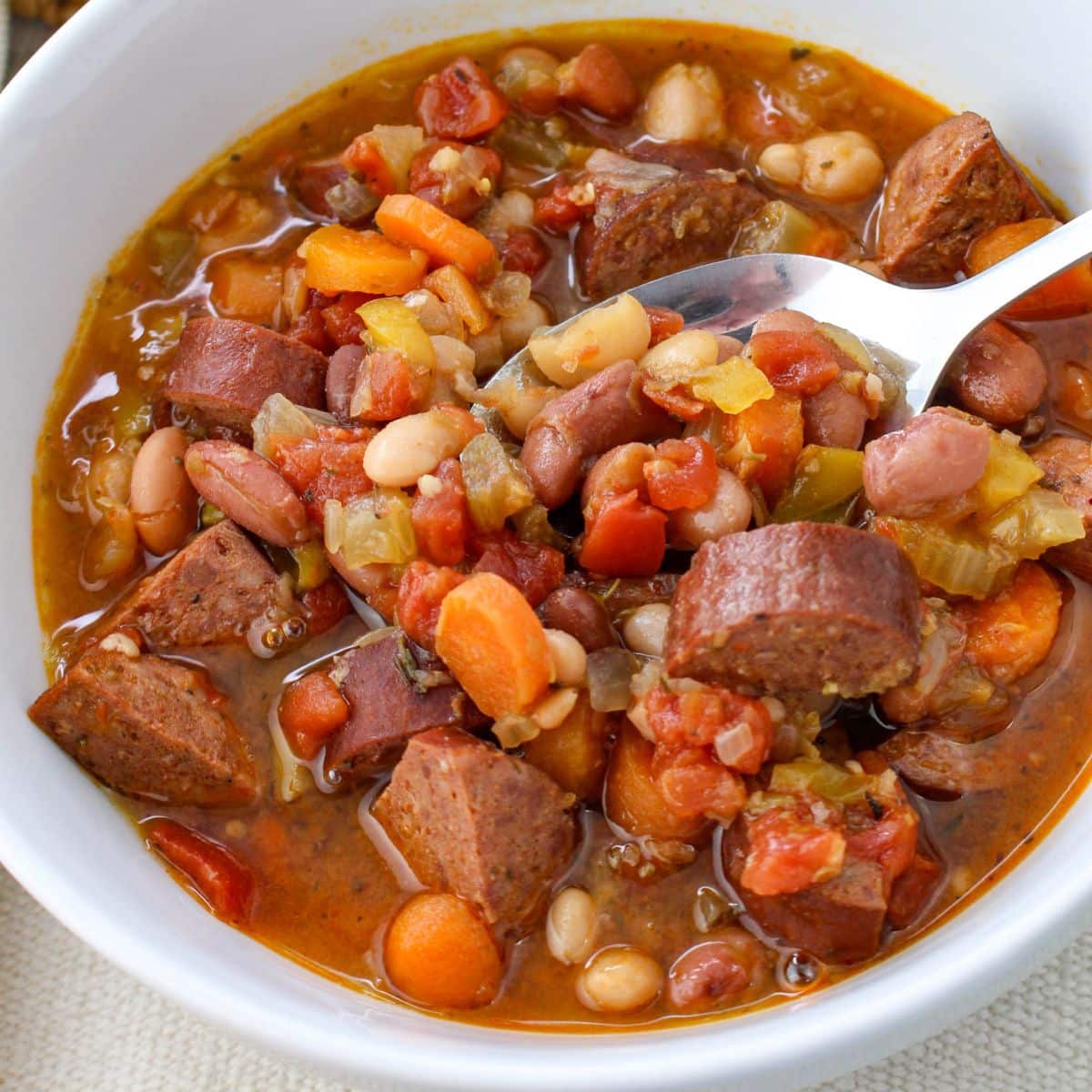
| Home-cooked dinner (e.g. pasta + salad) | Grocery | $4–7 | Depends on protein, produce, brands, etc. |
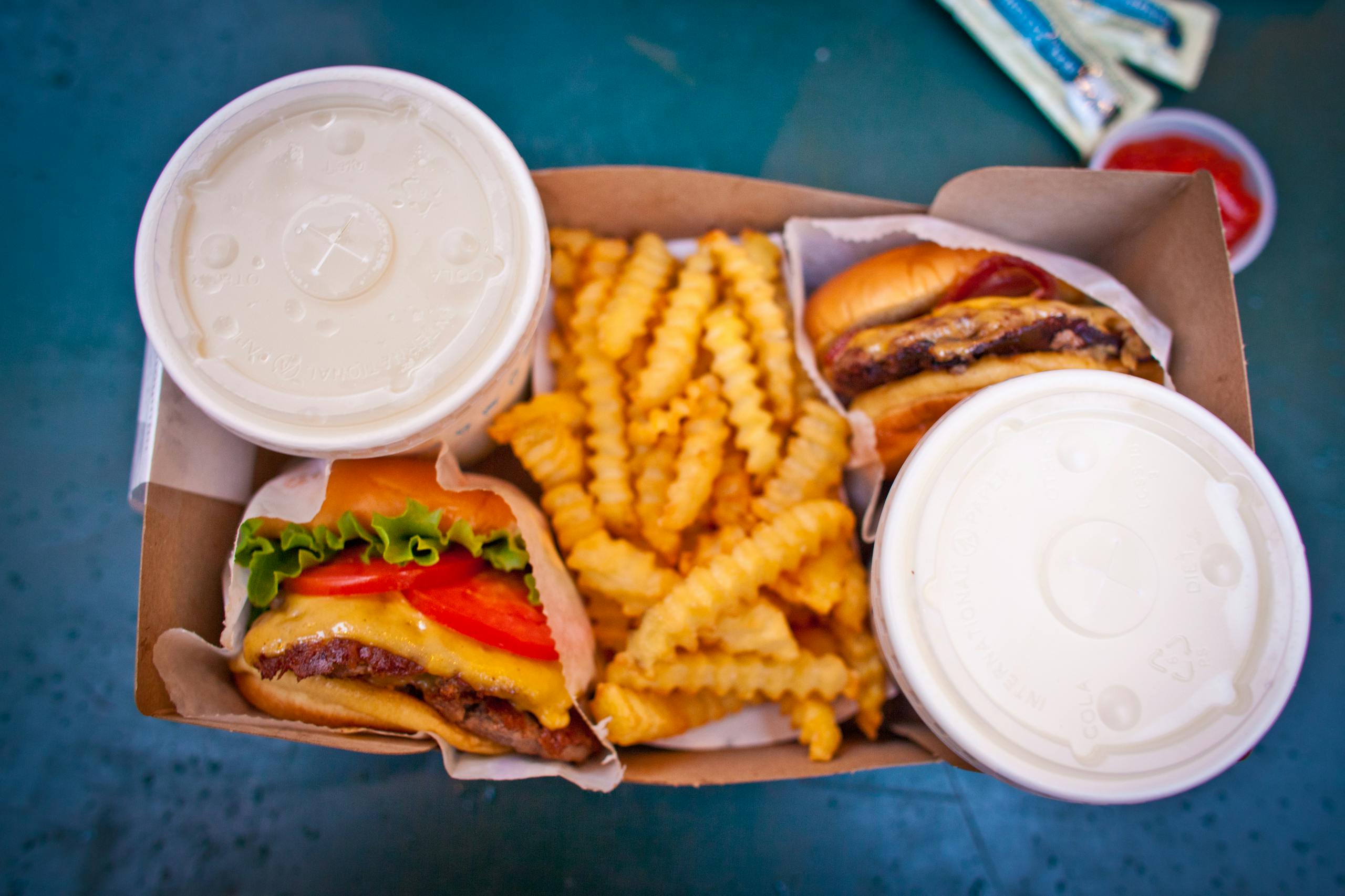
| Fast-food dinner (combo, drink, side) | Restaurant | $10–15+ | Varies by chain, region |
So yeah, for many menus, eating out costs double or more than making something simple at home.
But, caveats: your menu, your location, your time, and your groceries matter a lot. A steak dinner at home might cost more than a fast-food burger, especially in a high-cost city.
When Fast Food Does Make Sense (or Come Close)
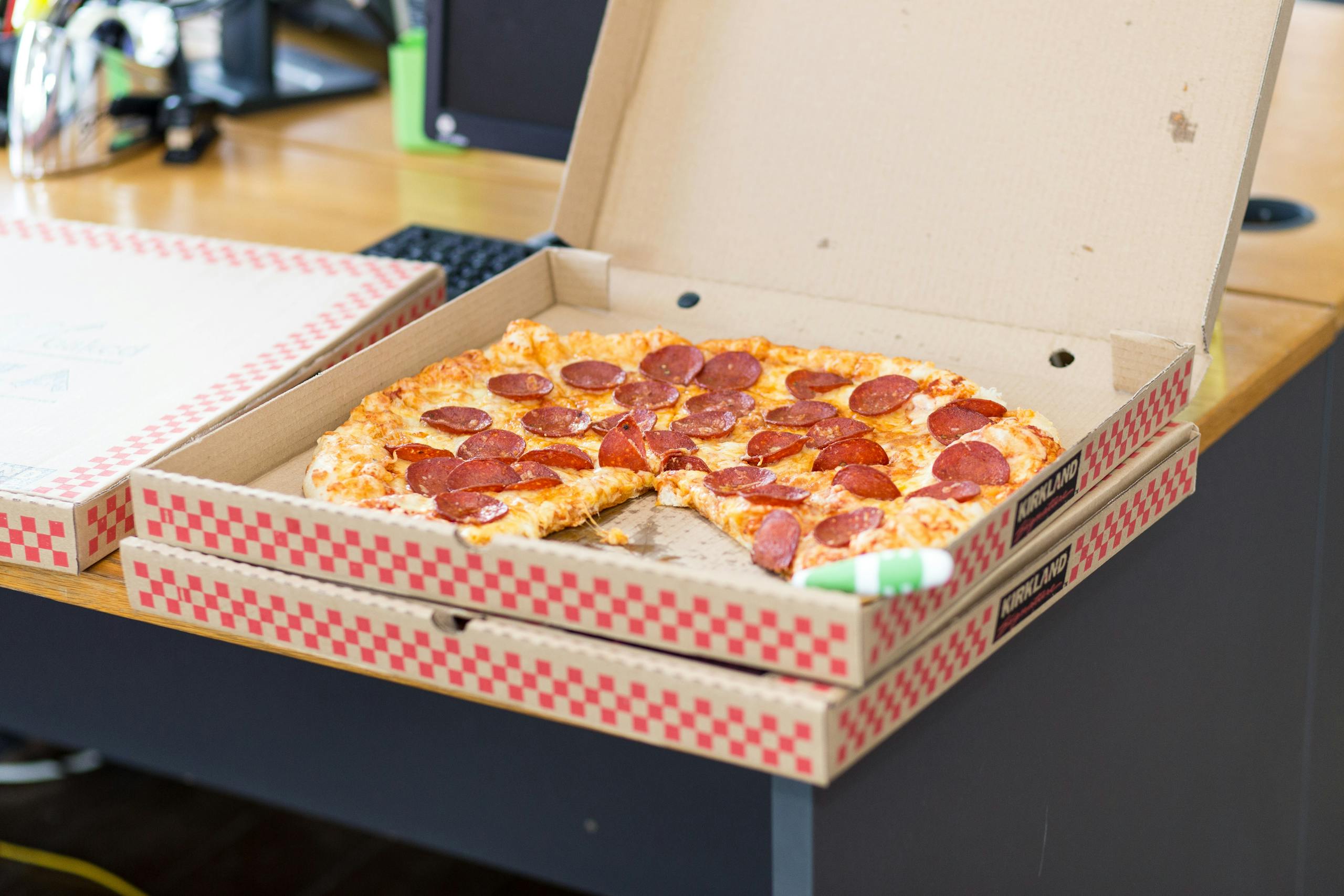
Okay, so home cooking wins on average, but not always. Here are scenarios where fast food might be competitive (or at least defensible):
- Time is tight / convenience is high priority. If you’re exhausted after work and don’t want to cook or clean, paying extra might feel worth it.
- Using value menus or coupons. Some chains still run deals or bundles that push cost down.
- Traveling / remote location. In places with limited grocery access or when you’re on the road, fast food can beat convenience-store groceries.
- Low-ingredient, low-skill meals at home. If cooking involves buying more ingredients you’ll waste, your per-meal cost might inflate.
- Bulk / group orders. Sometimes a “family meal deal” can approach (or beat) the per-person grocery cost if you stretch it. But that’s rare nowadays.
Hidden Costs & Trade-offs
Don’t forget, cost is more than the sticker price.
- Time: Shopping, prepping, cooking, cleaning = nontrivial time cost.
- Waste: If you buy ingredients that spoil before use, your “cost per meal” goes up.
- Nutrition & control: Home cooking gives you better control over ingredients, portions, salt, etc.
- Shrinkflation: Groceries may deliver less quantity for the same price, subtly inflating your cost.
My Take
Having cooked & compared many meals myself, here’s where I land:
- For 80 % of dinners, cooking at home is (much) cheaper and more satisfying.
- Yes, occasional fast food or “rescue meals” are okay, life happens.
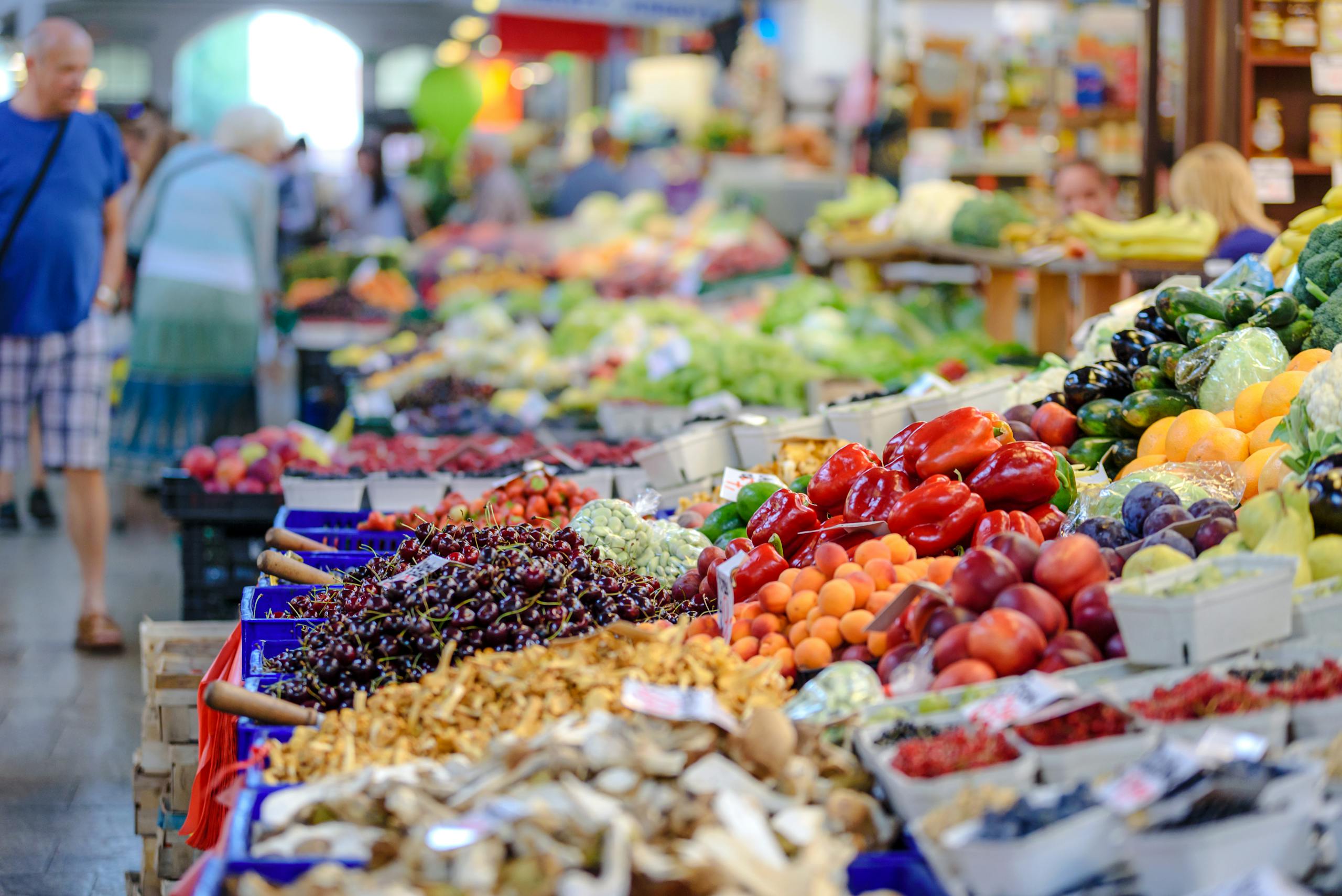
- The key is smart grocery shopping, planning, and minimizing waste.
Practical Tips
- Plan your dinner menu in advance, know exactly what you’ll cook.
- Buy in bulk / on sale, especially staples like rice, beans, frozen veggies.
- Use versatile ingredients: think chicken, eggs, beans, things that stretch across meals.
- Cook extras, double the batch, save leftovers for fast, cheap reheat meals.
- Compare cost per serving, not per item, a $6 pack of meat might break down to $1.50 per serving.
Conclusion: Grocery Wins (But Be Realistic)
In 2025, with both grocery and fast food inflation biting, home cooking still tends to be cheaper, often by a wide margin. But it’s not a flawless win. The more you shop carefully, plan, avoid waste, and cook smart, the more you’ll widen that cost advantage.